How To Build an Online Business as a Creative Entrepreneur: A Step-by-Step Guide
An independent artist, producer, designer, filmmaker, or content creator can build more than a following. You can build a business around your work, your story, and the community that supports you. That takes a clear identity, a place to showcase your talent, offers people value, and a plan to turn attention into lasting relationships and revenue.
Why This Matters
At PairOfDice Media, we believe creators should have more opportunities to be discovered, connect with their audience, and build on their own terms. This guide covers seven foundations of a creative business and shows how the PairOfDice ecosystem can complement the channels and tools you already use.
In This Guide
01
Define Your Creative Niche
Before you spend on advertising, merchandise, or a website, define what makes your creative work recognizable and why someone should support it. Your niche is a starting point for connecting with the right people, not a box that limits your creativity.
Identify Your Unique Selling Proposition
POSITIONING
Pinpoint Your Niche
Define the sound, visual style, specialty, perspective, or creative experience that makes your work distinct. A lyric-driven rapper, beat maker, streetwear designer, and gaming creator will each attract an audience for different reasons.
AUDIENCE
Understand Who You Serve
Think about the people most likely to connect with your work. Where do they discover music or creators? What content do they share? What would they pay for or return to experience?
Example
A producer making soulful hip-hop beats may reach aspiring rappers and music fans, while a filmmaker creating independent urban dramas may build an audience around episodic video. Both can grow through PairOfDice, but each needs different content, offers, and outreach.
Why It’s Important
A clear identity makes it easier to write your bio, assemble an electronic press kit (EPK), organize your releases, and give new listeners or potential collaborators a reason to remember you.
02
Build a Professional Online Presence
Treat your online presence as a network of connected destinations. Your own website or storefront is your business headquarters; social platforms help people find you; and a creator presence on PairOfDice gives audiences another place to discover your music, videos, and story.
Build Your Creator Home Base
PortfolioFeature your best tracks, videos, projects, photographs, designs, or past work. Make it easy for a new visitor to understand your creative direction in seconds.
Your StoryWrite a strong creator bio that tells people who you are, where you are coming from, and what makes your perspective worth following.
Services & ProductsList available services, releases, merchandise, bookings, or commissions. Give each offer an easy-to-understand description and next step.
ContactProvide one clear route for business inquiries, collaborations, bookings, and customer questions. A complete EPK makes media and booking outreach easier.
Use Social Platforms Strategically
Share release artwork, studio moments, visual storytelling, behind-the-scenes content, and short clips that help people recognize your brand.
YouTube
Publish official videos, live performances, interviews, tutorials, gaming content, or episodes. Organize longer-form work so new viewers can explore it.
A discovery channel for fashion collections, cover art, photography, design projects, and other image-led work that people save for inspiration.
Useful when your creative work serves brands or organizations: show project results, share expertise, and connect with collaborators or commercial clients.
Tip
Connect your channels instead of maintaining disconnected profiles. For example, post a short studio clip to social media, send viewers to your full release or creator page, and invite interested people to follow your next project. PairOfDice channels such as The Rotation and PairOfDice TV can be additional discovery destinations when your work is a fit.
Why It’s Important
An audience should not have to search across five platforms to figure out who you are, what you make, or how to work with you. A consistent bio, visual identity, and clear links create a stronger professional impression.
03
Develop Your Product or Service Offering
Views and followers do not automatically create income. Decide what value you can offer people beyond a social post, then make it simple for a supporter, customer, or client to take the next step.
Determine What You Sell
SERVICES
Sell Your Expertise
Recording, production, mixing, cover design, video editing, photography, graphic design, creative direction, performances, or brand work.
DIGITAL PRODUCTS
Package What You Know
Beat packs, sample libraries, digital art, templates, educational guides, presets, downloadable music, and other reusable creative assets.
PHYSICAL PRODUCTS
Turn the Brand Into Products
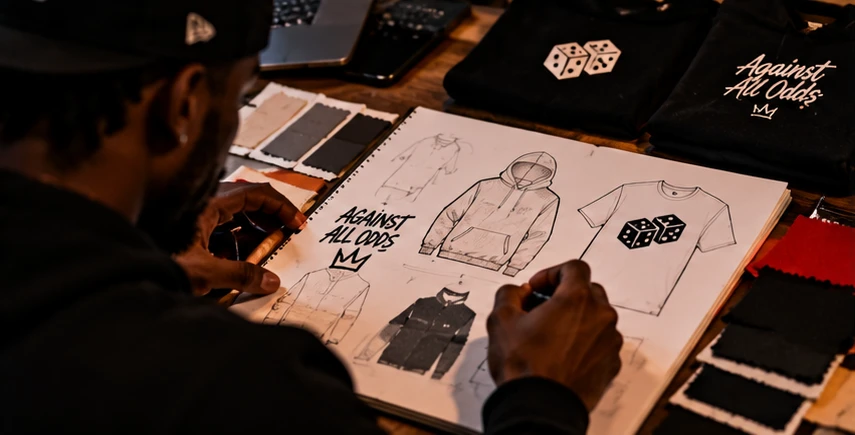
Artist merchandise, independent clothing collections, posters, vinyl, physical releases, collectibles, and limited drops tied to your identity.
Create a Pricing Strategy
Value-BasedConsider the usefulness, exclusivity, creative expertise, and results your work provides to the customer.
Market-BasedReview comparable independent creators and businesses to understand pricing expectations, then account for your costs and positioning.
Tiered OffersOffer a practical starting option plus higher-value packages, such as a single beat license, custom production, and full-project production.
Why It’s Important
You do not need ten products to get started. A compelling first offer, a fair price, clear usage rights, and a simple purchasing or booking process are a stronger foundation than an overcrowded storefront.
04
Set Up an E-Commerce System
Your goal is to make every legitimate sale straightforward, whether you are licensing a beat, booking a session, selling a shirt, or offering a digital download. You can manage your own storefront while using discovery platforms to introduce new people to your brand.
Build a Simple Path From Discovery to Purchase
Your Own Storefront
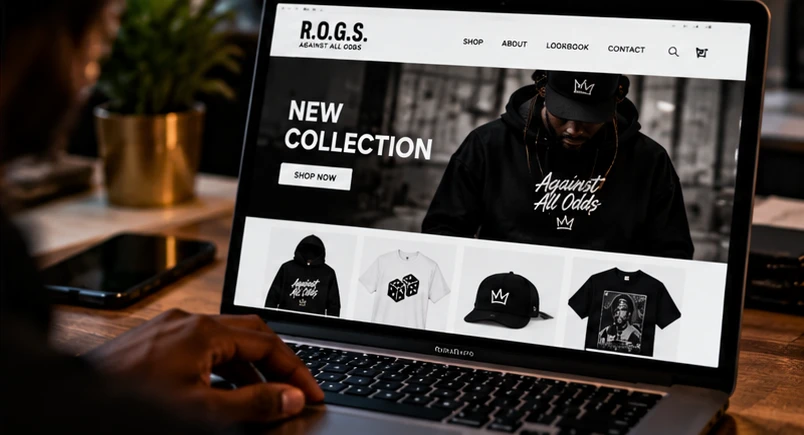
Use your own site or storefront to present products, explain shipping or delivery, collect payment, and manage orders. Choose a setup appropriate for your budget and technical needs.
PairOfDice Creator Presence
Use your PairOfDice creator profile, music, and media presence to help audiences discover your work and find the destinations where you currently sell or accept bookings.
Direct Fan Offers
Give loyal supporters opportunities to purchase exclusive artwork, limited merchandise, early releases, tickets, or special experiences.
Professional Bookings
Make inquiries for performances, appearances, licensing, features, or creative services easy to submit. Keep an updated EPK ready for interested partners.
Accept Payments
Use a reputable payment provider supported by your store or booking system, show accurate prices and fulfillment terms, and keep customer communication professional. PairOfDice can serve as a discovery and career-building channel; your own storefront can remain the place where you complete transactions.
Why It’s Important
Discovery only helps your business if interested people know what to do next. Whether the destination is a product page, mailing list, booking form, or EPK contact link, the path should be clear.
05
Build a Marketing Plan to Drive Traffic
Create a repeatable plan for reaching new people, bringing them into your world, and staying connected between releases or product launches. PairOfDice is built around music, video, culture, and independent creators, making relevant editorial and community opportunities part of that plan.
Content Marketing
BlogsPublish useful stories, creator insights, release breakdowns, tutorials, and behind-the-scenes posts that people can discover and share.
VideoTurn a new release or project into clips, performances, interviews, previews, and longer-form video. Where relevant, explore PairOfDice TV and gaming content as additional discovery paths.
PodcastsTalk about your process, local creative scene, influences, and lessons learned. Interviews and creator conversations can open the door to new communities.
Promotion & Discovery
Paid Reach
Test Small Campaigns
When you have an offer or release that already connects with people, test modest ad budgets and measure actual visits, signups, bookings, or sales rather than impressions alone.
Media Exposure
Reach Relevant Audiences
Pitch relevant interviews, playlists, radio programming, creator features, and editorial opportunities. PairOfDice channels such as The Rotation and PairOfDice Radio are potential discovery touchpoints; placements depend on fit and editorial selection.
Email Marketing
Invite interested supporters to subscribe to your own updates, with their permission. Share new music, product drops, show dates, and special announcements so every launch does not depend on an algorithm.
Why It’s Important
Promotion is strongest when the message, audience, and destination match. An article, playlist feature, video, or advertisement should lead somewhere useful: a release, profile, sign-up, storefront, or booking inquiry.
06
Build an Audience & Engage Your Community
The most valuable people in your audience are not always the loudest or the largest number on a dashboard. They are the listeners, viewers, collaborators, and customers who return, recommend your work, and help it spread.
01
Use Social Proof
Highlight genuine fan reactions, repeat customers, client testimonials, memorable performances, and legitimate media coverage. Keep claims accurate and get permission when needed.
02
Collaborate
Connect with artists, producers, filmmakers, podcasters, fashion designers, and other creators whose audiences overlap naturally. Create work together instead of simply exchanging promotional posts.
03
Engage Meaningfully
Reply to thoughtful comments, recognize repeat supporters, ask for feedback, and find ways for people to participate. A real community is a conversation, not a follower count.
Why It’s Important
PairOfDice aims to bring independent creators and interested audiences into the same media ecosystem. Use that discovery opportunity alongside your own channels to build relationships you can sustain.
07
Scale Your Business
Once your content, audience, and offers begin working together, build systems that reduce busywork and help you make smarter decisions. Growth is about improving the operation, not just posting more.
1
Automate & Delegate
Create a manageable release calendar, templates for outreach and EPK updates, simple customer follow-ups, and repeatable order or booking processes. Delegate when the revenue supports it.
2
Diversify Revenue
Build around what your supporters already value. An artist might combine releases, live shows, merchandise, licensing, and production services; a video creator might add sponsorships, client projects, or digital products.
3
Track the Numbers
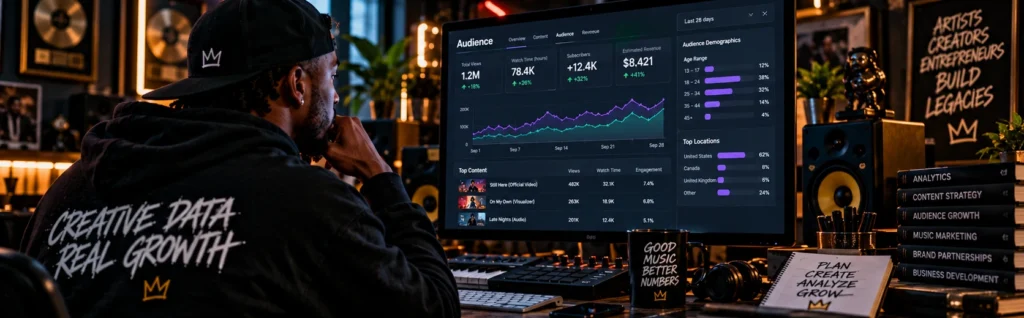
Watch repeat listeners, clicks to your offers, audience retention, subscriber growth, conversion, and revenue. PairOfDice Creator Intelligence is part of our developing approach to making creator performance easier to understand; use the analytics currently available to you while additional tools evolve.
Why It’s Important
Your creative work deserves more than guesswork. Track the actions that actually create opportunities, refine your offers, and free up more time for making things your audience wants.
Final Thoughts
Build a business around your creativity, not just a following.
A sustainable creative business starts with identity and strong work, then grows through discoverability, clear offers, trust, and consistent execution. PairOfDice Media exists to help independent creators connect those pieces through music, media, community, and creator-focused experiences.
Start with the work you are proudest of. Put your bio, best releases or projects, EPK, and contact information in order. Make your next offer obvious. Then explore PairOfDice Media as another place to discover independent talent and connect with the culture around it.
Create the work. Build the audience. Own the relationship. Grow the business.